

Subclass 485 visa processing time is a...
Read More-
Amit Taya (Perth): +61 426 488 909 | Harmandeep Kaur (Adelaide): +61 8 8120 4199
Amit Taya (Perth): +61 426 488 909 | Harmandeep Kaur (Adelaide): +61 8 8120 4199
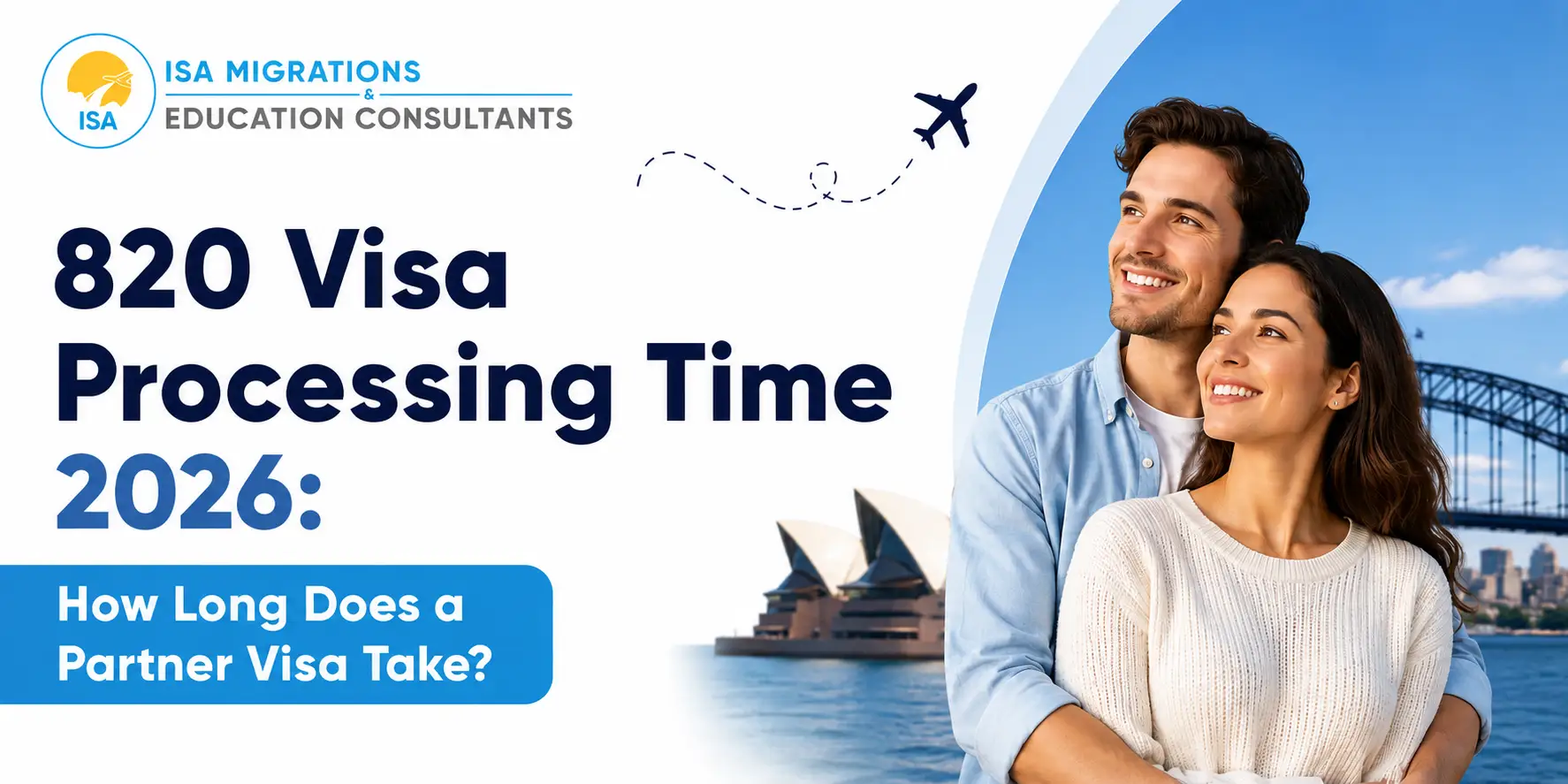
Many couples ask about the subclass 820 visa processing time before even collecting the necessary documents. It is a fair question because the waiting time can influence travel plans and family life for years. In 2026, most onshore partner visa applications may take over a year to reach a decision. Some cases may also run past two years. The actual timeframe depends on how complete your application is and current immigration authorities’ workloads.
This guide breaks down the current processing time and eligibility rules for the partner visa (subclass 820). It also covers the required documents and the latest fees so you can plan your application with realistic expectations.
Latest Update: Latest Updates for Partner Visa Holders (Subclass 309 & 820)
As of August 2026, subclass 820 partner visa processing time in Australia takes between 30 and 32 months to reach a decision. Some applications may stretch out much longer due to documentation completeness and the number of applications received by the immigration authorities.
Timing also depends on which stage of the pathway applies because the subclass 820 and subclass 801 visas are assessed separately. Here is a closer look at subclass 820 visa processing time:
| Partner Visa Subclass | 50% of Cases Decided Within | 90% of Cases Decided Within |
|---|---|---|
| Subclass 820 visa | Approximately 18 months | Approximately 32 months |
*The above timelines shift monthly. So it is worth checking the Department of Home Affairs’ official visa processing time guide for a more precise estimate of processing times for Partner Visa Australia.
The Partner Visa subclass 820 and subclass 801 visa are lodged as a single combined application. Once your temporary subclass 820 visa is granted, you may need to wait about 2 years from your original lodgement date before the permanent subclass 801 stage is assessed.
While you wait, you may get work and study rights through a bridging visa, which makes the partner visa waiting time more manageable. However, travelling overseas before the subclass 820 visa reaches a decision requires a Bridging Visa B first.
To qualify for the Australia Partner Visa 820, you must be in a genuine relationship with an Australian citizen, permanent resident or eligible New Zealand citizen.
The core criteria for the subclass 820 visa are outlined below:
If you’re unsure whether your evidence meets the Department’s standard, get your documents reviewed before you lodge. A second opinion now, from a MARA-registered migration agent, can save months of delay later.
Also Read: Partner Visa 820 vs 801: What’s the Difference and Why It Matters?
You must have identity, eligibility, relationship, health and character check documents. Some specific documents required for the subclass 820 visa include:
From 1 July 2026, the base application cost for the combined Partner Visa subclass 820/801 pathway rose to AUD 11,710 for the primary applicant. For Prospective Marriage visa subclass 300 holders, the combined Partner Visa subclass 820/801 cost is AUD 1,955.
Additional applicants and dependents add to the overall visa application charge, and this is also worth noting alongside the marriage visa Australia processing time if you’re transitioning from a Prospective Marriage visa.
The following table brings a clear breakdown of Partner Visa subclass 820/801 costs that apply to the primary applicant as well as additional applicants:
| Applicant Type | Cost |
|---|---|
| Base Applicant of Partner Visa subclass 820/801 | AUD 11,710 |
| Holders of Prospective Marriage visa (subclass 300) | AUD 1,955 |
| Additional applicant over 18 years of age | AUD 5,860 |
| Additional applicant under 18 years of age | AUD 2,935 |
Incomplete applications, health and character check issues, background assessment challenges, and delayed responses to immigration authorities can delay the Partner Visa Subclass 820 processing time.
Here are some more factors that might affect the spouse visa processing time in Australia:
To prevent such instances, being attentive and hiring a migration agent can be helpful to reduce the risk of a longer processing time for an Australian spouse visa.
Also Read: Partner Visa Subclasses 309 & 100: Key Information You Need
You can check your subclass 820 visa application status through your ImmiAccount. This portal typically provides the current visa application status, whether any further assessment is required and notifies you about the visa decision. To specifically assess the processing time for a Partner Visa Australia, visit the Department of Home Affairs’ visa processing time guide.
Working out most partner visa subclasses 820 visa processing time comes down to preparation and complying with all immigration authorities’ requirements. Most applications are assessed between 30 and 32 months. Some cases may take longer. A complete application and strong relationship evidence help in getting a favourable outcome.
Before you lodge your application, check the DHA’s official processing time tools and consider a professional review of your documents through a local immigration agent such as an immigration agent in Adelaide. Speak with a Migration Agent today for guidance tailored to your circumstances.
The subclass 820 is an onshore partner visa where you must be in Australia to apply for this visa. On the other hand, the partner visa subclass 309 is for applicants outside Australia.
You can get study rights if you receive a Bridging Visa A. This visa allows you to enrol in courses or continue existing studies throughout the whole spouse visa Australia processing time.
Form 888 is a statutory declaration completed by someone who knows you and your partner well. It’s usually filled in by a friend or family member who is an Australian citizen or permanent resident. Strong Form 888 declarations are one of the simplest ways to keep your partner visa Australia processing time as short as possible.
Yes, you can generally apply for the subclass 820 visa from within Australia while still holding another substantive visa. Doing this correctly from the outset helps avoid unnecessary additions to your Australia partner visa processing time.
Registering a de facto relationship with your state or territory can satisfy the 12-month living-together requirement sooner. It also adds a strong, official piece of evidence to your commitment case and reduces the chances of delays in Australian partner visa processing time.